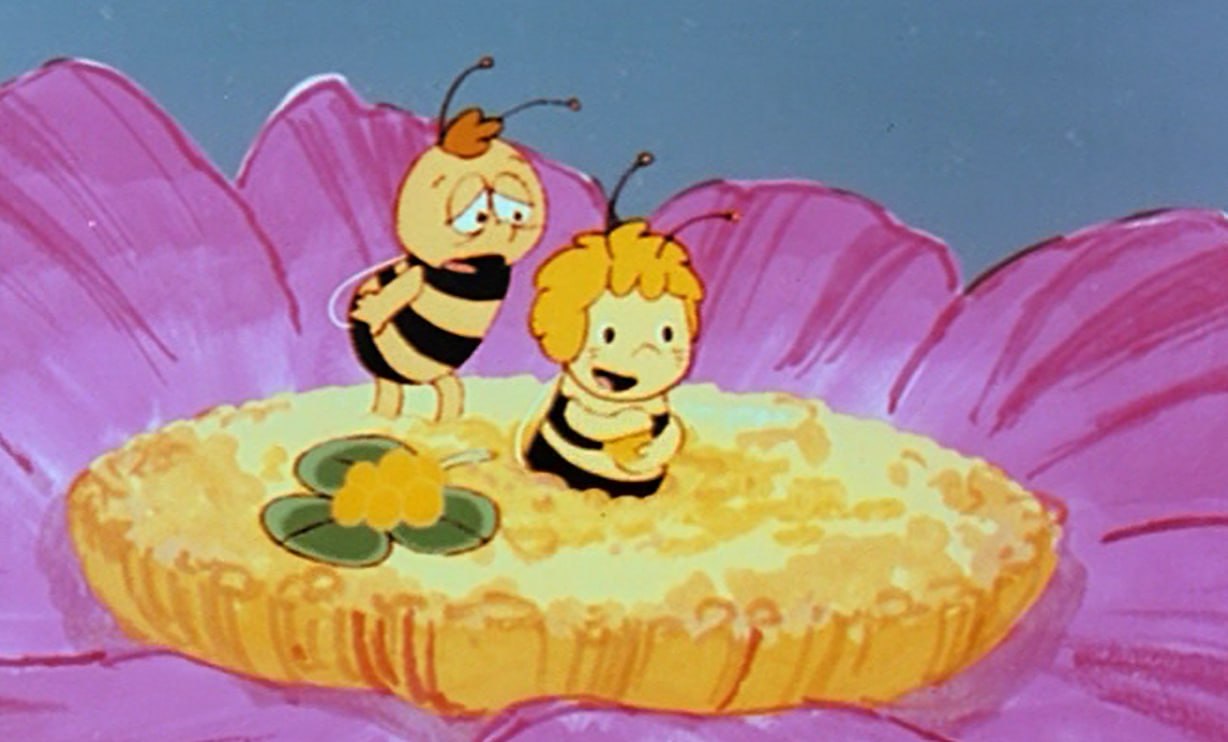
A few days ago, the moment finally arrived: the series turned 50. The theme song started playing, the earworm carousel gained momentum, and for three minutes, I was five years old again.
As the carousel came to a halt, something stuck in my mind—not the melody, but the sequence. The song first tells us where we are, then who is flying, then what her personality is like, and how far her world reaches. Only at the very end, after two verses and two choruses, does the actual request come: tell us about yourself.
This sounds like pleasant childhood nostalgia, but it is measurable. In 2024, Google DeepMind demonstrated that if you change only the order of information in a prompt—without changing a single word of the content—the success rate drops by over 30%. The task remains the same, but the model’s performance does not.
A Stanford study (“Lost in the Middle”) adds detail on where things go wrong: information placed at the beginning or the end is reliably utilized, while information placed in the middle disappears.
And a third study shows why the request belongs at the end: with long inputs, the model “forgets” the instruction if it appears too early. Anthropic recommends exactly this in their own documentation—context at the top, question at the bottom. This leads to up to 30% better responses.
The Maya intro does instinctively what we needed papers for: world, character, personality, boundaries—and only then the request. Thanks, Maya. It turns out sitting in front of the TV back then was worth it after all.
The cult children’s series from the 1970s, featuring the theme song by Karel Gott, made Maya the Bee immortal. The internationally produced series is based on the book by Waldemar Bonsels from 1912.
PS: I haven’t quite figured out the analogy for Captain Future yet. If anyone sees one—the comments section is open.